Book a course
Supporting Emotional Health
The Circle helps children learn when to trust in themselves and when to trust in others

About the Circle of Security

What is the Circle of Security?

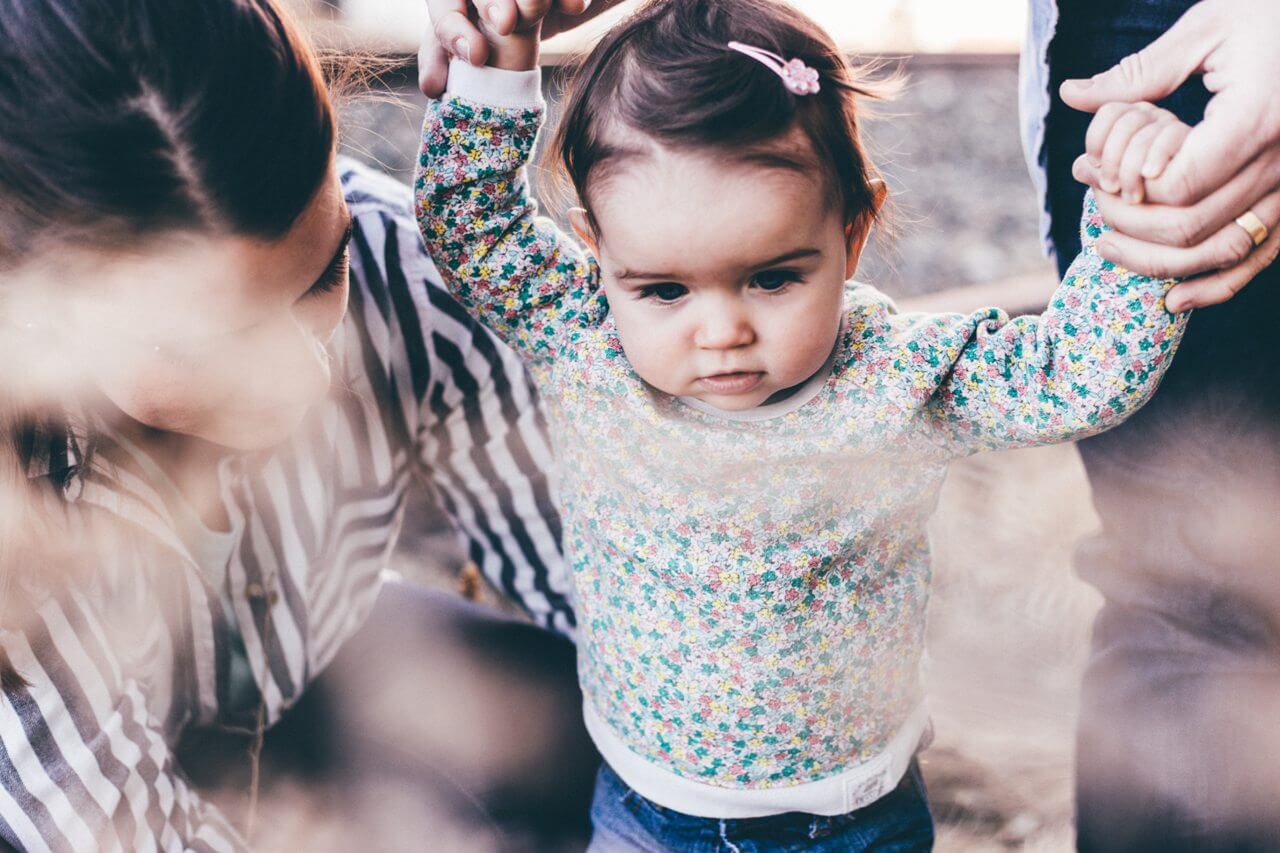
We all need hands to support our 'going out' and our 'coming in'
COSP provides a simple framework for decades of complex attachment theory and neuroscience on child development. In the form of a Circle, security is explained as the basic need we all have as human beings to go out and explore the world and the need to come in for comfort and protection. As caregivers, we support a child’s ability to navigate the Circle by being a safe pair of hands. See map of the Circle

The COSP intervention reveals what it means to be a safe pair of hands. Each week, we unpack attachment needs on the Circle, how to meet them and how to recognise the barriers that get in the way.
Developed by Psychoanalysts

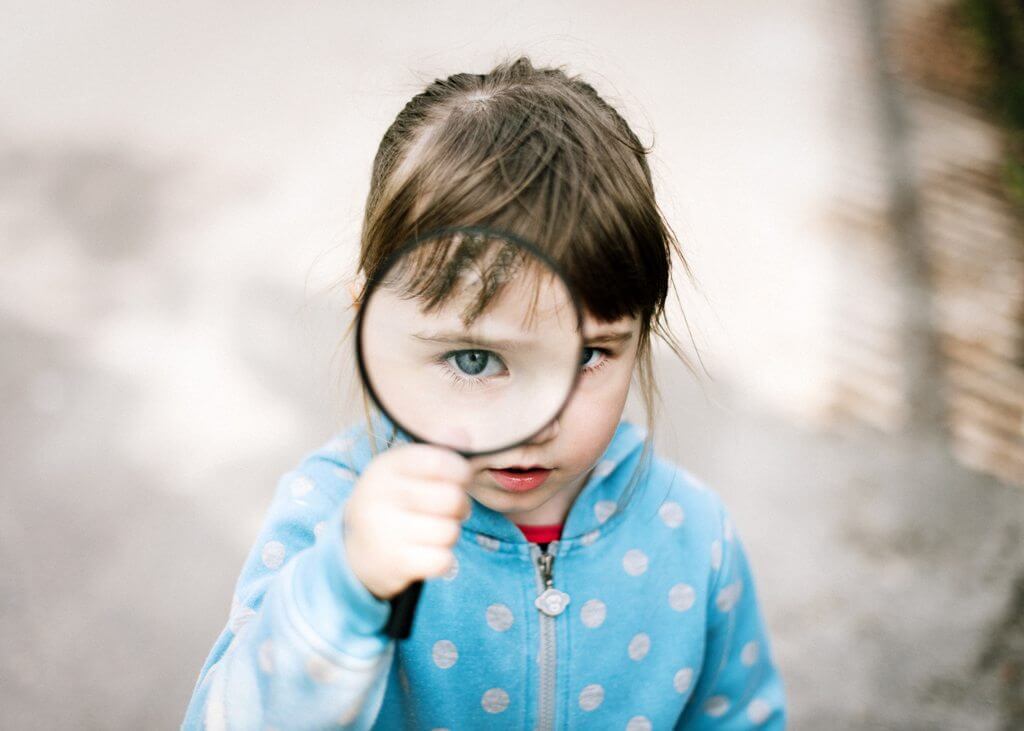
A lens through which to reflect on caregiver-child relationships

The Circle was developed by three psychoanalysts - Hoffman, Cooper and Powell - to make valuable research accessible to caregivers in stressed environments. The end-result is a shift from blame to self-compassion and a way of being in the world that caregivers can pass on to children. All caregivers want what’s best for their children. COSP takes that intention and makes it a reality. 

The Circle provides families, teachers and communities with:

  • A universal language and a road-map to understand attachment
  • Time and space to reflect and process new learning
  • Video content to practice observation moment to moment
  • Tools they can use and revisit to strengthen their relationships
  • A lens through which to understand their own relational capacities
more about COSP
more about COSP
Intimate attachments to other human beings are the hub around which a person’s life revolves.
- John Bowlby

What is Attachment?

Understanding the emotional bonds that we carry through life
Attachment theory is built on the study of relationships and how these impact our perceptions of ourselves and others. The kind of attachments we formed with our primary caregivers offer a blueprint for what it’s like to be ‘us’ in the world. Our emotional health depends on how we come to view and understand those attachments.

When we're able to make sense of these experiences, we can make new choices about how we relate to our children and others.

Subscribe

Join the HeartShift Family and receive a monthly update on what we’re up to, news on upcoming workshops as well as our latest blog
Sign me up
© 2024 - Heart Shift. All rights reserved. Privacy Policy
Powered by DesignHog
menucross-circle linkedin facebook pinterest youtube rss twitter instagram facebook-blank rss-blank linkedin-blank pinterest youtube twitter instagram